
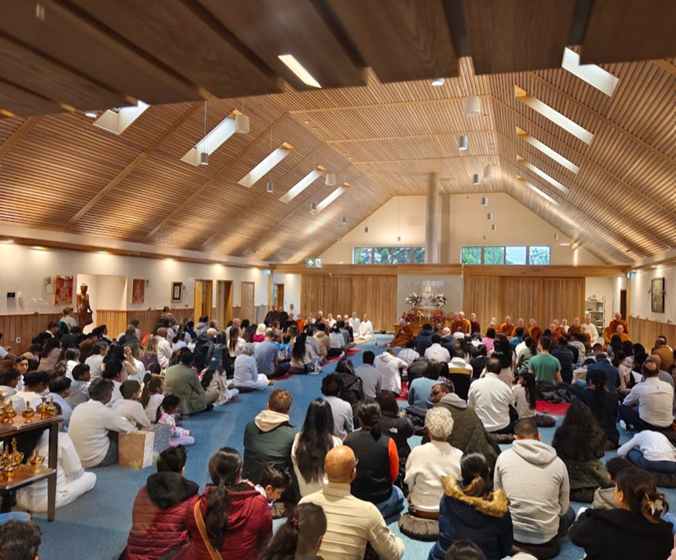
The Importance of Dana and Offering Food in Theravada Buddhism
In the Theravada Buddhist tradition, dana—the practice of giving—is a cornerstone of spiritual development and community cohesion. Among the various forms of dana, offering food holds a particularly significant place, symbolizing generosity, interdependence, and spiritual growth. This blog explores the profound importance of dana and food offerings in Theravada Buddhism, examining their spiritual, ethical, and communal dimensions.
The term dana originates from the Pali language and translates to “giving,” “charity,” or “generosity.” It is one of the three pillars of Buddhist practice, alongside sila (morality) and bhavana (meditation). Dana is also the first of the ten paramitas (perfections), emphasizing its foundational role in cultivating a virtuous life

Dana is not merely an act of charity but a spiritual practice that helps overcome one of the Three Poisons: greed (lobha). By giving selflessly, practitioners reduce attachment to material possessions and cultivate qualities like loving-kindness (metta) and compassion (karuna). This act purifies the mind, fosters non-attachment, and lays the groundwork for deeper spiritual practices.
The Spiritual Value of Offering Food
In Theravada Buddhism, offering food is one of the most common and meaningful forms of dana. Known as pindapāta, this practice involves laypeople providing alms food to monks during their daily alms rounds. This ritual underscores the symbiotic relationship between the laity and the monastic community: monks depend on laypeople for sustenance, while laypeople rely on monks for spiritual guidance

Merit-Making Through Food Offerings.
Offering food generates punya (merit), a key concept in Buddhist ethics. Merit is believed to influence one’s future rebirths and overall spiritual progress. However, the intention behind giving is crucial; true dana is performed without expectation of reward. When food is offered with pure intentions—such as gratitude or devotion—it becomes a deeply meritorious act
Food offerings carry profound symbolic meanings. They represent nourishment not only for the body but also for the spirit. In Buddhist rituals, food symbolizes impermanence (anicca) and non-attachment. By offering food to monks or at shrines dedicated to the Buddha, practitioners reflect on life’s transient nature and their commitment to spiritual values.